Last Updated: February 03, 2026
Data Import
With the Data Import automation, data can be exported as a CSV file from an external source which can then be uploaded automatically to Vasion and the data mapped into a table You can then set the frequency for when and how often to run the automation. The first time the automation runs, it creates a new table where to store the data, which is then updated every time the automation runs.
Data Import supports local and UNC A standard for identifying servers, printers and other resources in a network. A UNC path uses double slashes or backslashes to precede the name of the computer. paths.
Requirements
Before you create the Data Import automation, you must already have the following:
- A data file in CSV format
- The location of where the file is located
To create a new Data Import automation you must configure:
- General Settings
- Build Lookup
1. General Settings
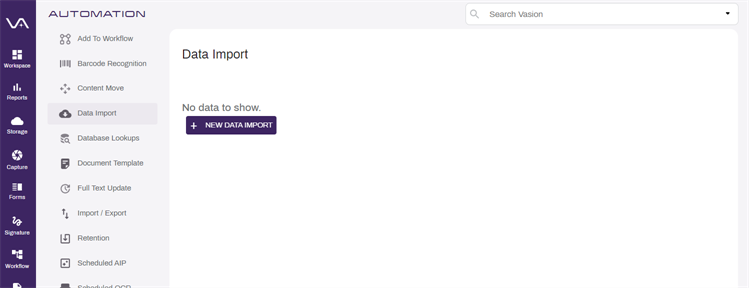
- In the Automation app select Data Import in the side navigation.
-
Select the New Data Import button.
- In the General tab, enter the name for the new Data Import automation in the Import Name field.
-
If you have an on-premises instance of Vasion, you may enter a value on the Run On Machine filed otherwise leave blank.
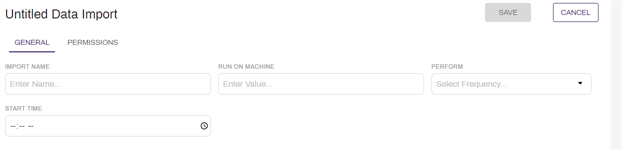
The value in this field determines the server used to run the automation and is only required where there are multiple Vasion clients and/or client services running for the environment.
- Use the Perform drop-down to select the frequency you want the automation to run. The next fields that display depend on what you select here.
- Once — select this option to only run the automation once. The next field display updates to Start Date. Enter the date in the format shown or select the Calendar icon
 to pick the date.
 - Daily — select this option to run the automation every day. The only remaining option is the Start Time.
- Weekly — select this option to run the automation once a week. The next field updates to Weekdays. Use the drop-down to select one or more days of the week by selecting the appropriate box.
- Monthly — select this option to run the automation once a month. The next field updates to Months. Use the drop-down to select one or more months by selecting the appropriate box.
- Frequency — select this option to run the automation at a specified time interval in minutes.
- In the next field, enter the number of minutes for the time interval.
- Once — select this option to only run the automation once. The next field display updates to Start Date. Enter the date in the format shown or select the Calendar icon
- In the Start Time, enter the time of day to run the automation in the format shown or select the Clock icon
 to pick the time.
 - If the Monthly option is selected, a Day of Month field is shown. Enter the day of the selected month(s) when you would like to run the automation.
2. Build Data Import
- Use the Import From drop-down to select whether the import file is stored in a Vasion drive or in an external location.
Vasion Folder — select Browse to navigate to the location where the file is stored.

Cloud Storage — select Browse to navigate to the cloud storage location where he file is stored.

External Source — enter the UNC path in the Folder field.

-
Select Import to New Table and complete the following:.
Currently Data Import cannot import into an existing table.
- New Table Name — enter the name for the new table.
- File Format — use the drop-down to select CSV.
In the Delimiter field enter the character to use as delimiter.

-
This is an optional step if you would like to map the data. In Sample File, upload a CSV file with sample column headers and data to use for mapping and select on Configure Mapping.
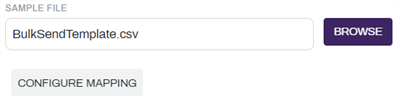
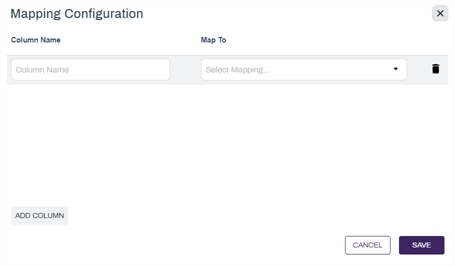
- In the Mapping Configuration modal complete the following:
- In the Column Name field, enter the name you would like to assign to the column in your new table.
- In the Map To drop-down select a column name from the sample CSV file to associate the new name to the existing column.
Repeat the above two steps until all the fields are mapped.
- Select from one of the following options:
- Delete All Rows in Destination Table — use this option if your CSV file contains all the records you want in the table and you would like to override the existing data in the table every time the automation runs.
- Append rows to Destination Table — use this option if your CSV file only contains updated information and you would like to add the records to at the end of the table every time the automations runs.
-
Move to Completed Folder — select this option if you want Vasion to move the file to a new location once it has finished processing. When this option is selected, select the Browse button to navigate to location. If importing from an external source enter the path to where you want to save the file.

- Delete File Upon Import — select this option if you would like Vasion to delete the source file after the automation runs.
-
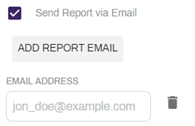
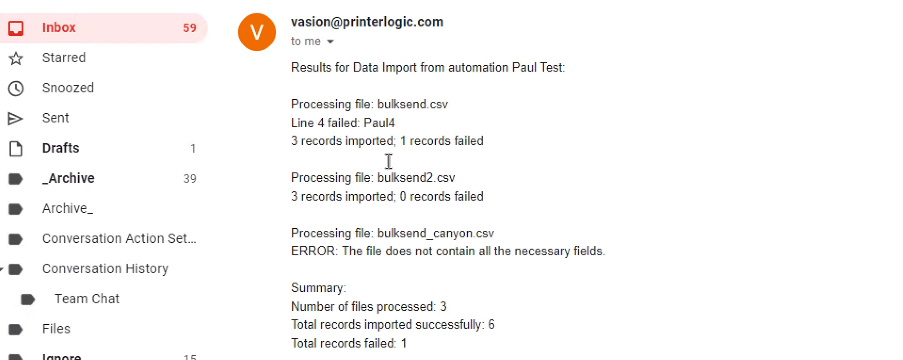
Send Report via Email — select this option if you would like to receive a summary report that shows the results of the file process. When you select this option, enter an email address. You can add multiple email addresses by selecting the Add Report Email button to see a new field.
The recipients receive a summary email that shows how many files were processed, the number of records imported and details if any records fail to import.
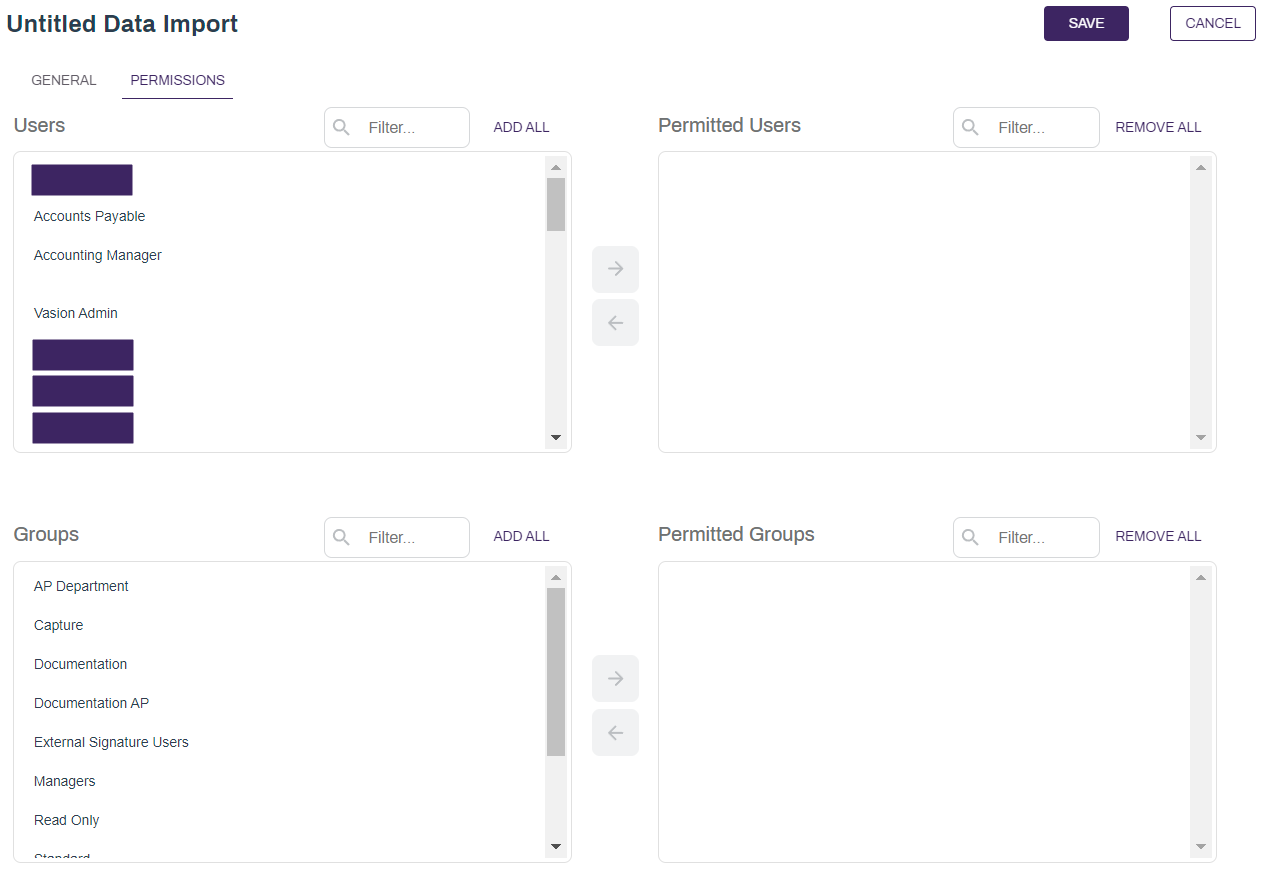
Permissions
You can change who can see or edit the
- Select the Permissions tab at the top of the screen.
- Select the users and / or groups you would like to have permission to access the
 .
. - Add or remove all users or groups by selecting on the Add All or Remove All buttons above each column.
- Select Save.
The roles that a user has can also limit which users can see and run this job. See Roles for more information on what roles do and how they may affect what you are trying to do.
When the configuration is complete, select Save at the top of the page to save your automation and run automatically based on the specified settings.
Run Manually
You can run the Data Import automation at any time by selecting Run Manually from a selected data import.
